

Feeding Advice
What should I feed?

What should I feed?
Rabbit’s diet should consist of 85% grass or feeding hay, 10% greens, and 5% high-quality, complete nuggets.
Rabbits should have access to fresh, clean water at all times.

Guidelines for feeding greens
Our guidance comes from Aneesha, a pet nutrition expert specialising in rabbits and guinea pigs, who works closely with the RWAF.
A balanced diet is fundamental to your rabbit’s well-being, especially when incorporating vegetables. Here are some essential tips to keep in mind:
Dietary Precautions: Introduce any new vegetables slowly and in small amounts, as sudden dietary changes can disrupt your rabbit’s digestive system and lead to gastrointestinal issues. Mix small portions of new greens with the usual diet and gradually increase the amount over 7-10 days while monitoring for any signs of diarrhoea or bloating.
Moderation and Variety: Offer a mix of leafy greens and vegetables daily. This variety ensures a broad spectrum of nutrients and minimises the risk of nutritional imbalances. However, moderation is crucial; too much of any one type of green can be harmful. Rotate greens to provide diversity while observing your rabbit's response to different foods.
Monitor for Reactions: Regularly check your rabbit’s droppings, activity level, and appetite when introducing new foods. If you notice any signs of digestive discomfort, promptly remove the greens in question.
Our mixed boxes are designed to offer your rabbits a variety of options and are carefully assembled to ensure they receive a diverse range of nutrients essential for their well-being. Therefore, it’s important to give your rabbits one piece of each item included in the box every day to maximise the nutritional benefits and maintain a balanced diet.
Veg Prep
Always wash all fresh greens and vegetables thoroughly before serving them to your rabbits.

Coriander
- Rich in vitamin K, vitamin C, and vitamin A
- Contains antioxidants and essential oils
- Small amounts of potassium, calcium, and magnesium

Frisee Lettuce
- High in water, vitamin A and vitamin K.
- Provide some folate, vitamin C, and fiber.
- Low in calories.

Sold out
Cavolo Nero
- Rich in calcium (supporting bone health).
- Excellent source of vitamins A, K, and C.
- Contains antioxidants and fiber.
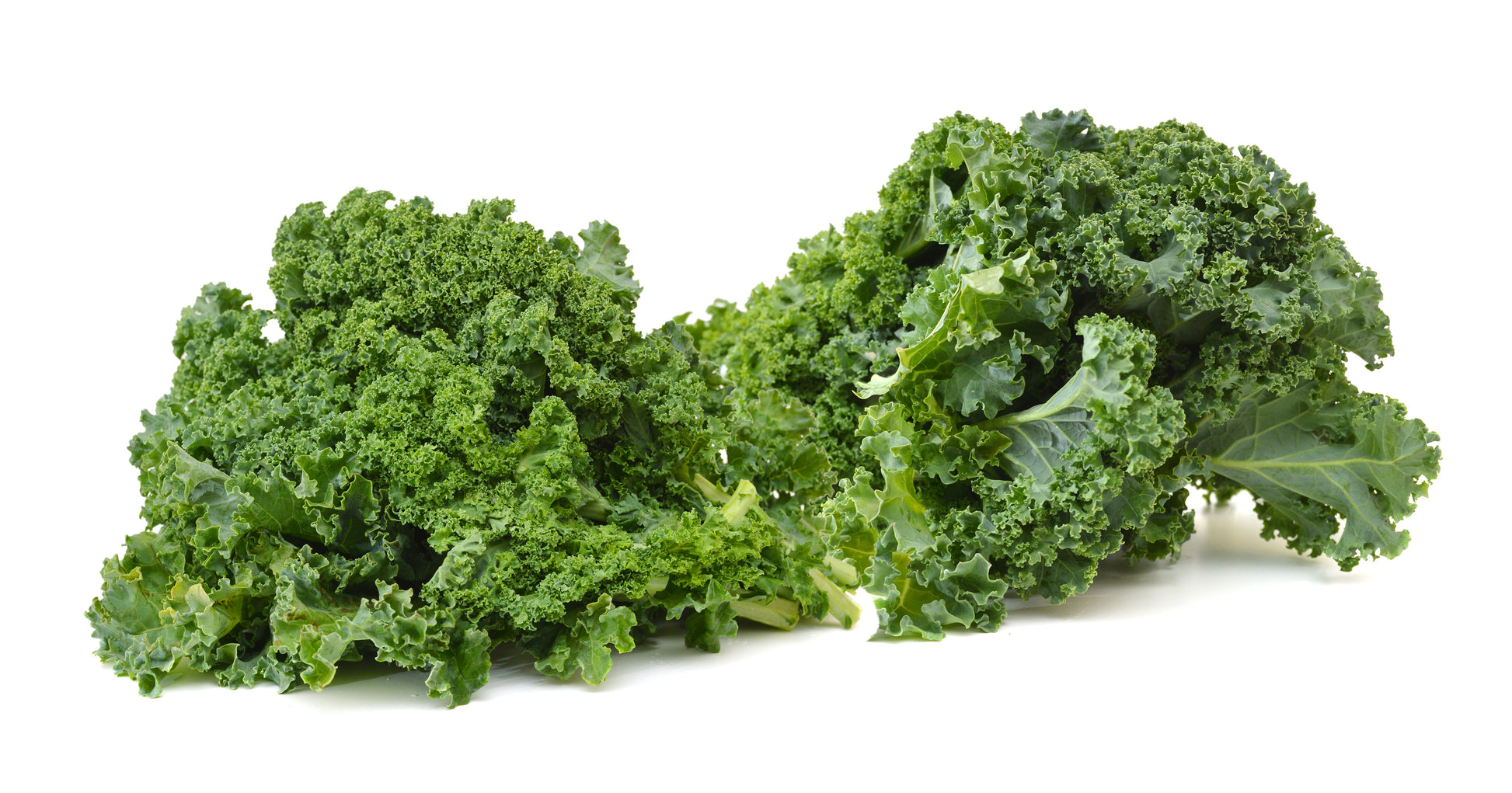
Kale
- Rich in calcium (supporting bone health).
- Excellent source of vitamins A, K, and C.
- Contains antioxidants and fiber.

Escarole
- High in water, vitamin A and vitamin K.
- Provide some folate, vitamin C, and fiber.
- Low in calories.

Flat Leaf Parsley
- Good source of vitamin K, vitamin C, and vitamin A.
- Moderately high in calcium.
- Contains folate and iron.

Curly Parsley
- Good source of vitamin K, vitamin C, and vitamin A.
- Moderately high in calcium.
- Contains folate and iron.

Dill
- High in vitamin C, A, and K
- Parsley and coriander are rich in antioxidants
- Dill is moderately high in calcium and also provides manganese


Fennel Greens (500g)
- Contain vitamin C, potassium, and fiber
- Source of calcium and manganese
- Have antioxidant compounds


Carrot with leaves (500g)
- Carrots (orange part) must only be fed as an occasional treat
- Carrot tops are okay to be given regularly
Select your featured product
Select your featured product

Chicory
- A favourite among bitter lettuces, as its bitter compounds make it very well tolerated, even by sensitive digestive systems.


Sold out
Dandelion/ Catalogna
Delicious fresh dandelion, your bunny won’t be able to resist!
- In pregnant animals, it stimulates milk production.
